

How Professional Caterers Think About an Event Before a Single Dish Is Planned
Professional catering doesn't begin with recipes. It begins with understanding how an event needs to function. Planning a successful event starts with great food, whether it's a small gathering or a large celebration. Beautifully prepared meals foster a culture of connection and make guests create long-term memories. And this is where professional caterers step in with all their expertise, which makes your guests talk about more than just our fabulous food.
Great catering was never really about the food alone. It was always about the full picture, and knowing exactly how to paint it before anyone picks up a pan. Hiring a professional caterer at your event saves you a lot of time and work, and gives you professional suggestions that make your event more amazing. Here in this blog, you will read how caterers strategically design seamless, memorable event experiences. Keep reading.
Understanding the Purpose Behind the Event
The first step every professional caterer takes is understanding why the event is happening. This may sound simple, but the purpose of an event shapes every catering decision that follows. A wedding reception requires a completely different service style than a corporate networking mixer, milestone birthday celebration, or formal fundraising gala. An experienced Louisiana catering company begins by asking thoughtful questions:
What is the goal of the event?
Is the atmosphere meant to feel formal, relaxed, celebratory, or interactive?
How long will guests be present?
What type of guest experience is the host hoping to create?
These details help caterers determine whether the event calls for plated dining, buffet service, chef-attended stations, cocktail-style service, or family-style presentations. When caterers understand the event’s purpose, they can begin building a food service strategy that supports the bigger vision.
Evaluating Guest Experience From Start to Finish
Professional caterers think about the event from the guest’s perspective.
They mentally walk through every stage of the experience, asking practical questions such as:
How will guests arrive and be welcomed?
When will food service begin?
Where will guests gather?
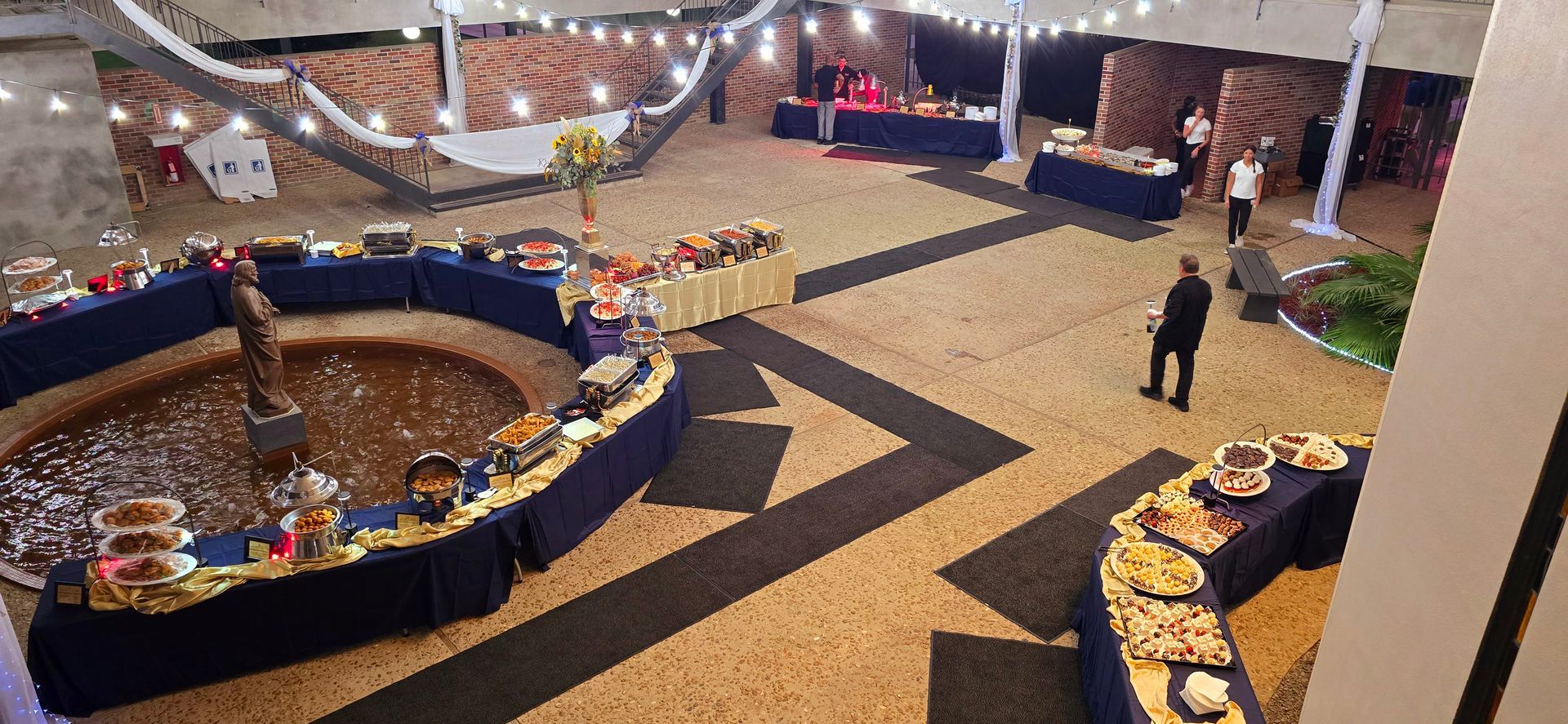
How will traffic move through serving areas?
Will there be moments where food can naturally encourage connection?
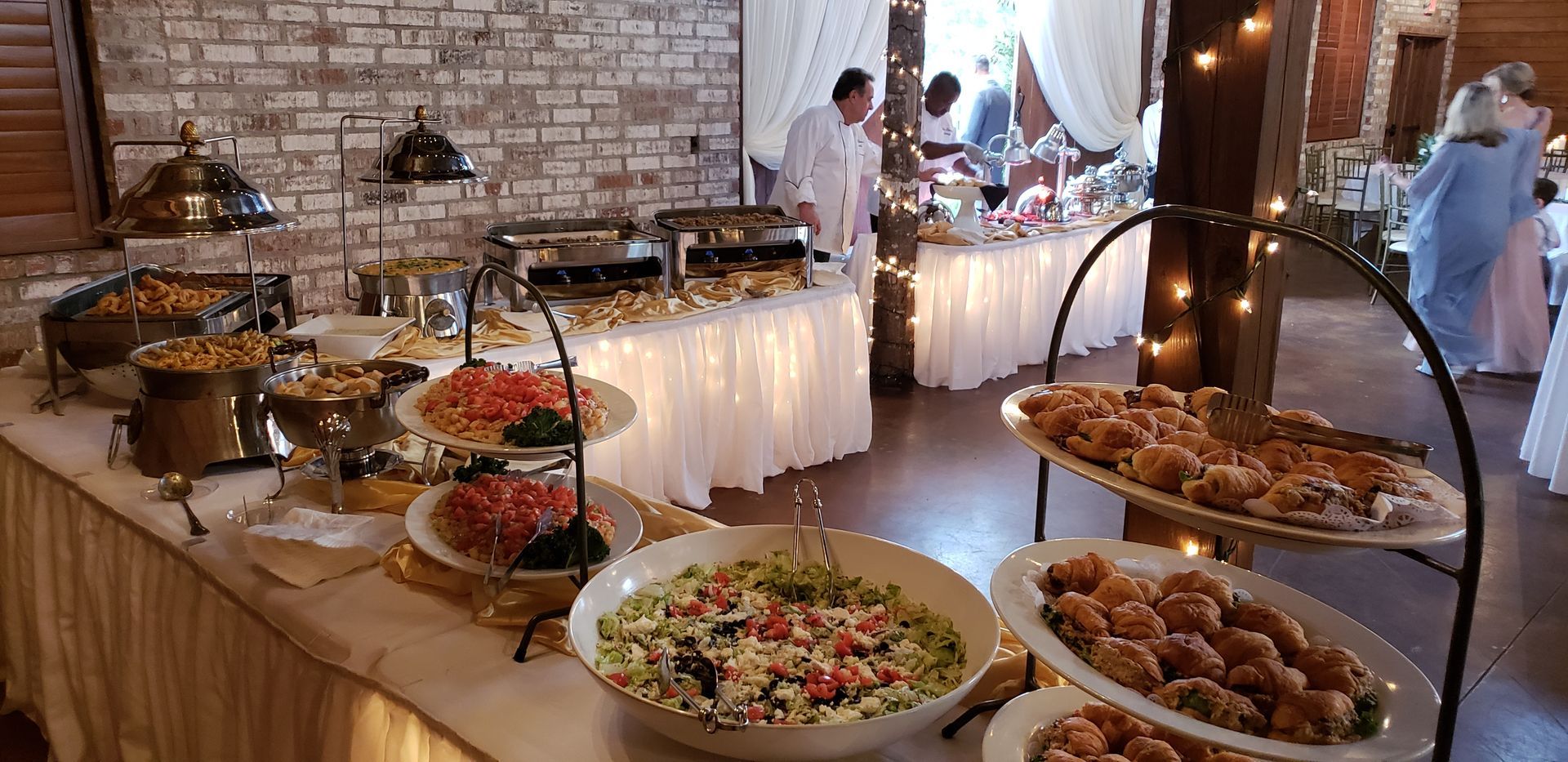
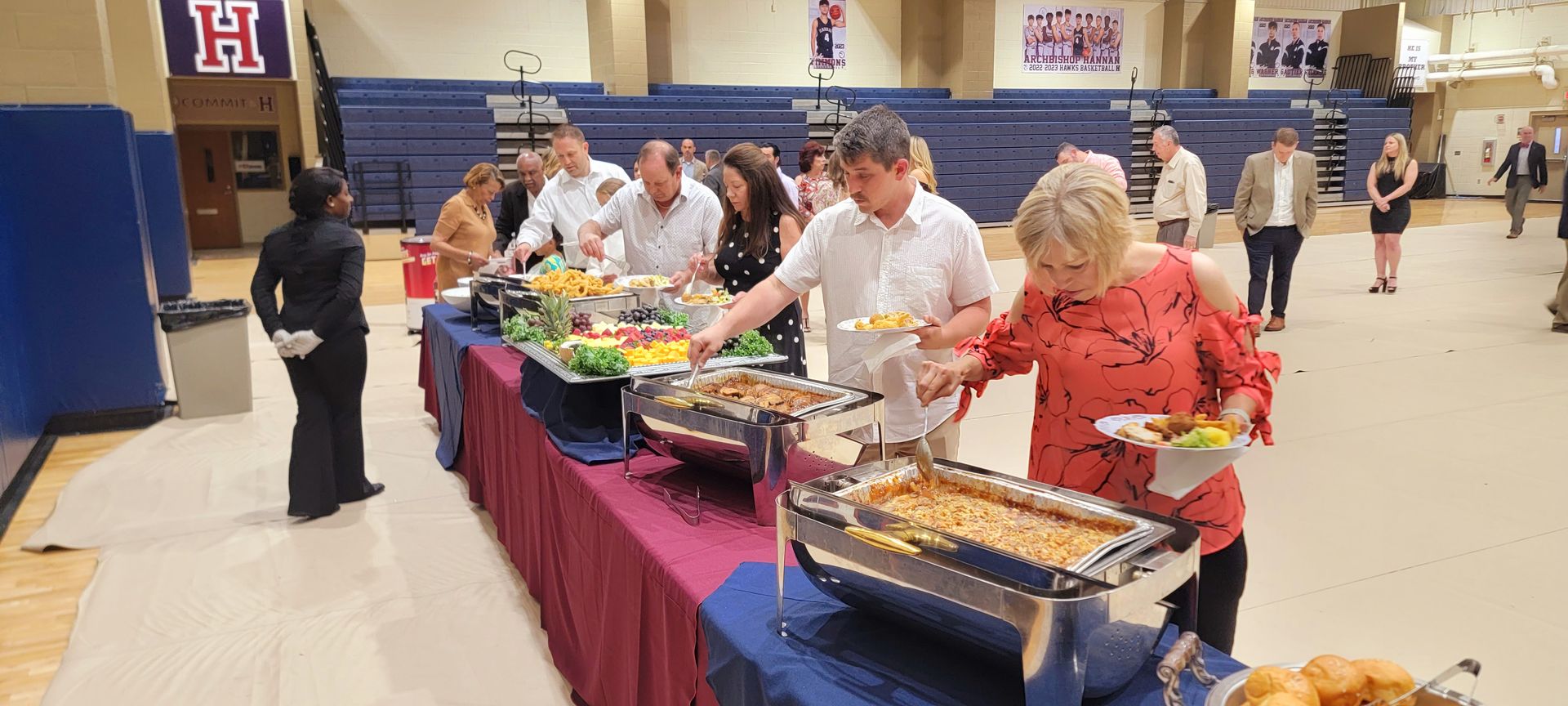
This process is often called guest flow planning. For example, if guests are expected to mingle and network, passed hors d'oeuvres may be more effective than stationary buffet lines. If the event is highly structured with speeches and presentations, timed plated service may better support the schedule.
Studying Venue Logistics and Operational Details
Even the most creative menu ideas must work within the physical realities of the venue.
Before finalizing any plan, professional caterers carefully assess operational logistics. This includes evaluating:
Kitchen Access
Does the venue have a prep kitchen, warming equipment, refrigeration, or staging areas?
Service Pathways
Can staff move efficiently between preparation and serving areas?
Guest Capacity
How many people can comfortably occupy the space?
Power and Utility Access
Will specialty equipment require electrical access?
These behind-the-scenes factors directly impact menu feasibility and service style. An experienced Louisiana catering company knows that flawless execution depends on planning around these technical details early. This prevents avoidable delays, bottlenecks, and service disruptions on event day.
Building the Event Timeline Around Food Service
Timing is one of the most important components of successful catering.
Professional caterers map out every phase of service to align with the overall event schedule. This includes:
- Guest arrival.
- Cocktail hour.
- Appetizer service.
- Main meal presentation.
- Dessert service.
- Coffee or late-night offerings.
Each stage must be carefully timed to maintain energy and momentum. For example, serving dinner too early may leave guests hungry later in the evening. Serving too late can lead to discomfort, restlessness, and poor engagement. We understand how to pace food service to match natural guest expectations while keeping the event flowing smoothly.
Designing Menus Around Practicality and Experience
Menu planning is never just about selecting popular dishes.
Professional caterers evaluate each menu item based on:
- Serving efficiency.
- Temperature stability.
- Presentation longevity.
- Portion control.
- Ease of guest enjoyment.
Some dishes may taste wonderful in a restaurant, but perform poorly during large-scale event service. For instance, delicately plated items may lose quality if held too long, while certain buffet dishes maintain freshness and appearance far better. We balance creativity with functionality, with the goal to serve food that not only tastes exceptional but also performs well under real event conditions.
Accounting for Guest Preferences and Dietary Needs
Today’s events often involve a wide range of dietary considerations.
Professional caterers proactively plan for:
Vegetarian and vegan preferences.
Gluten-sensitive guests.
Food allergies.
Cultural food considerations.
Children’s meal options.
Rather than treating these as last-minute adjustments, experienced caterers integrate flexibility directly into menu planning. A reliable Louisiana catering company ensures every guest feels considered and included. This level of preparation demonstrates professionalism while helping hosts avoid unnecessary stress.
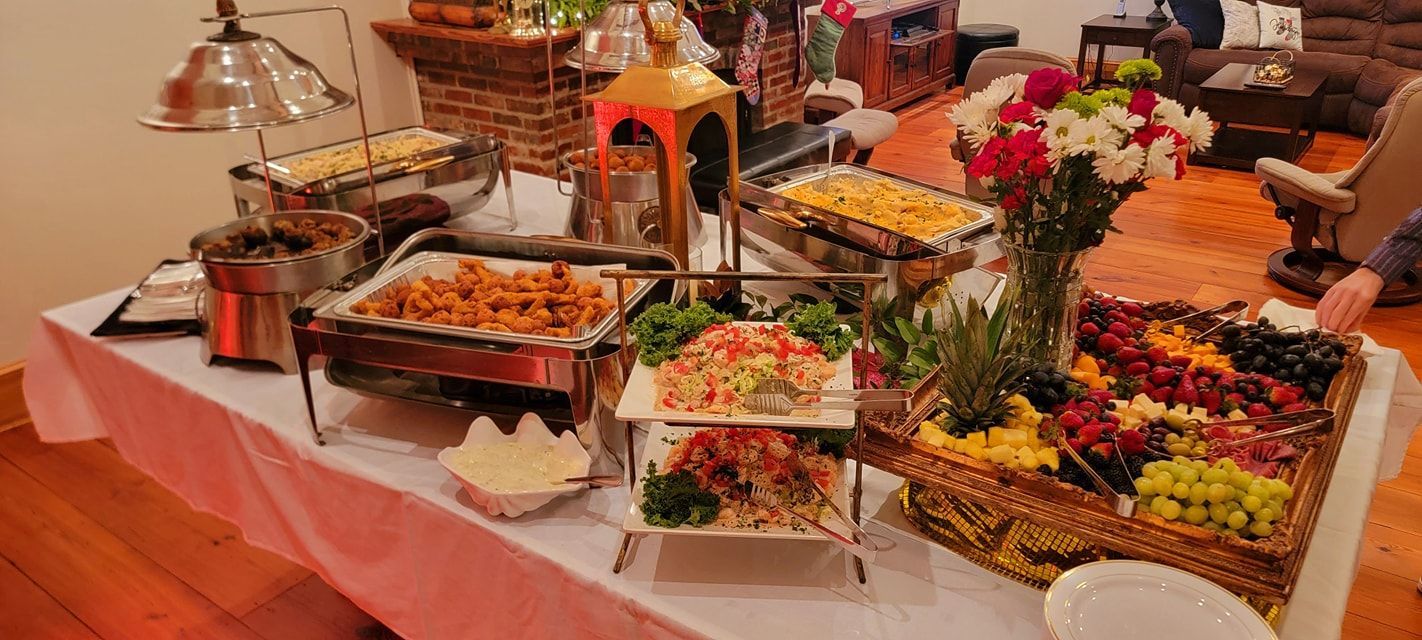
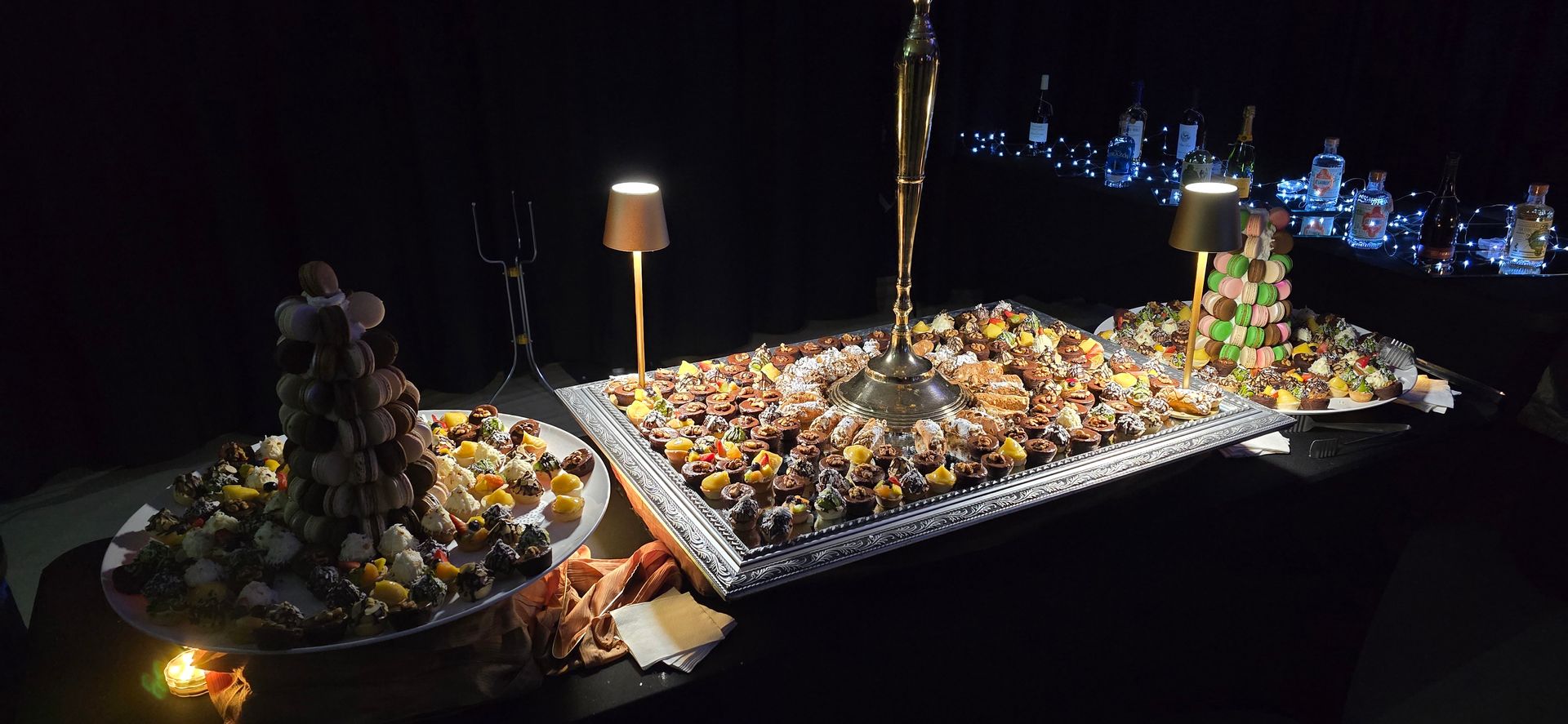
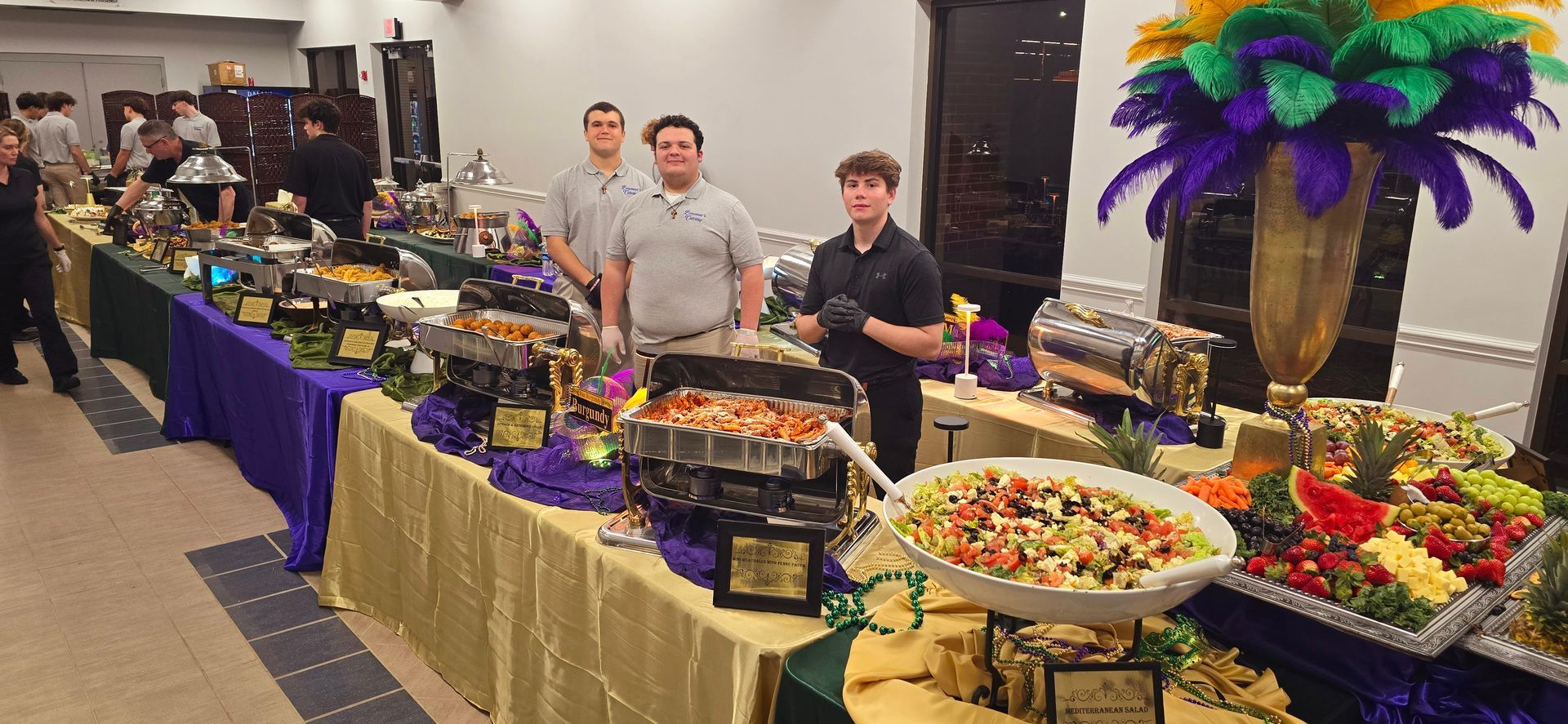
Planning for Presentation and Atmosphere
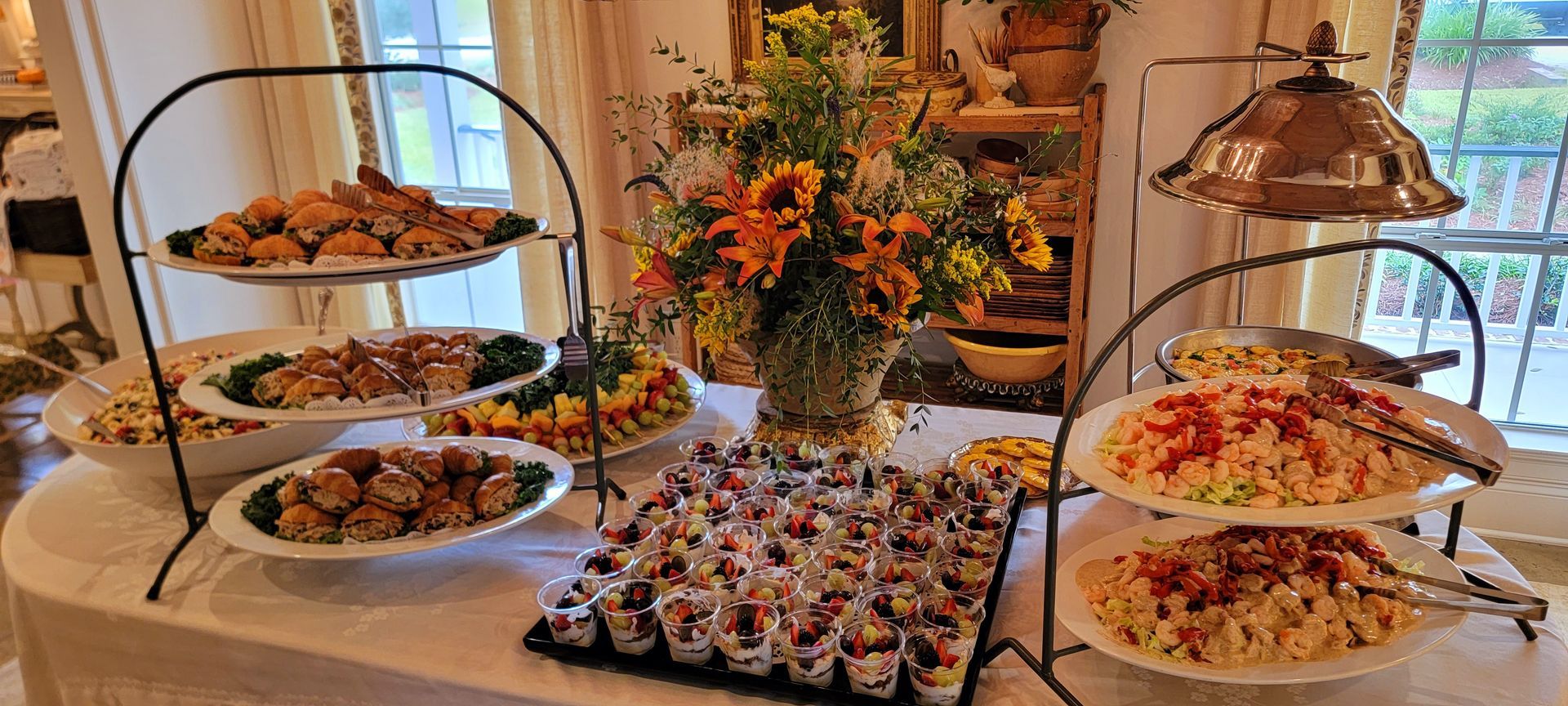
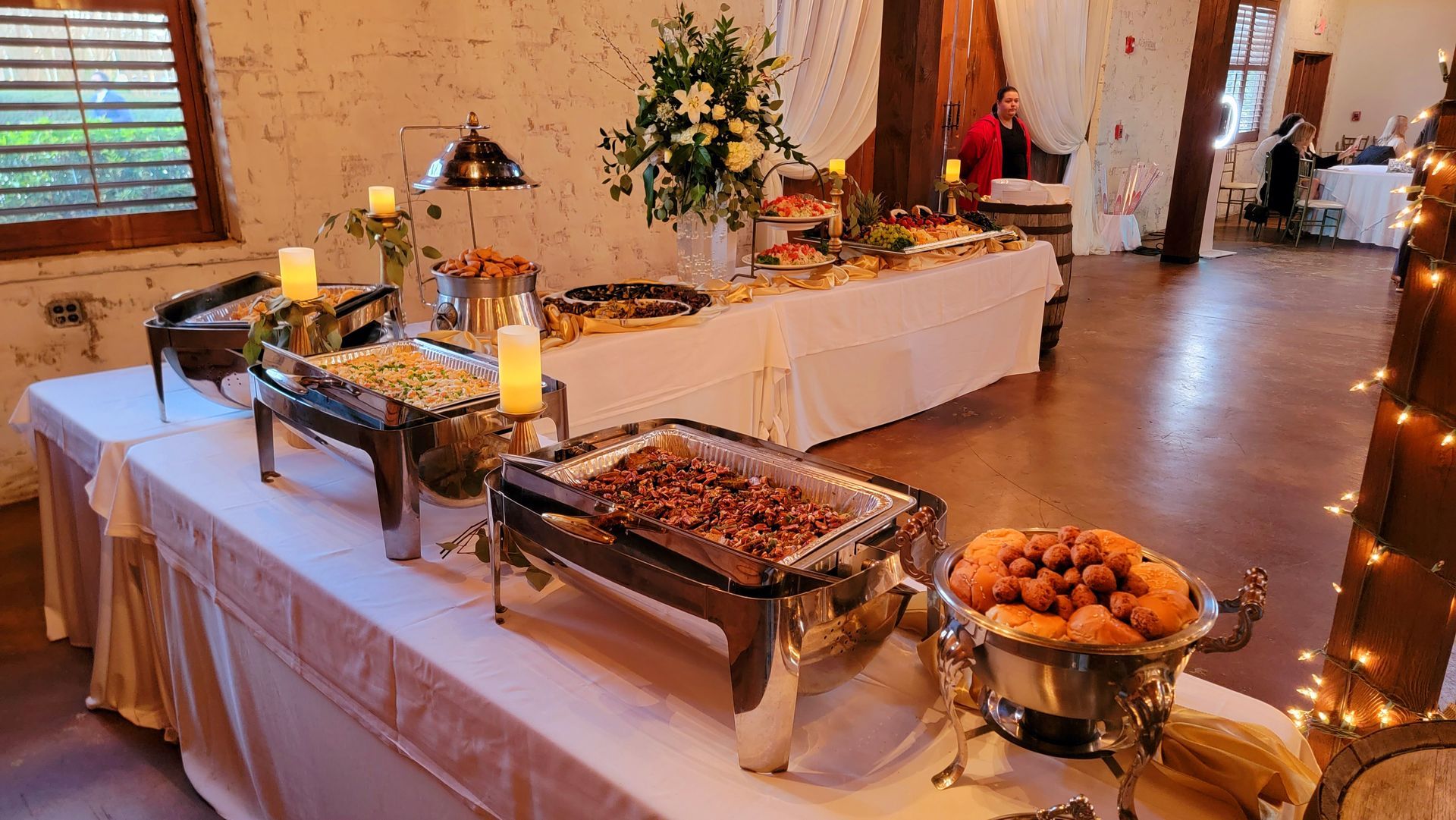
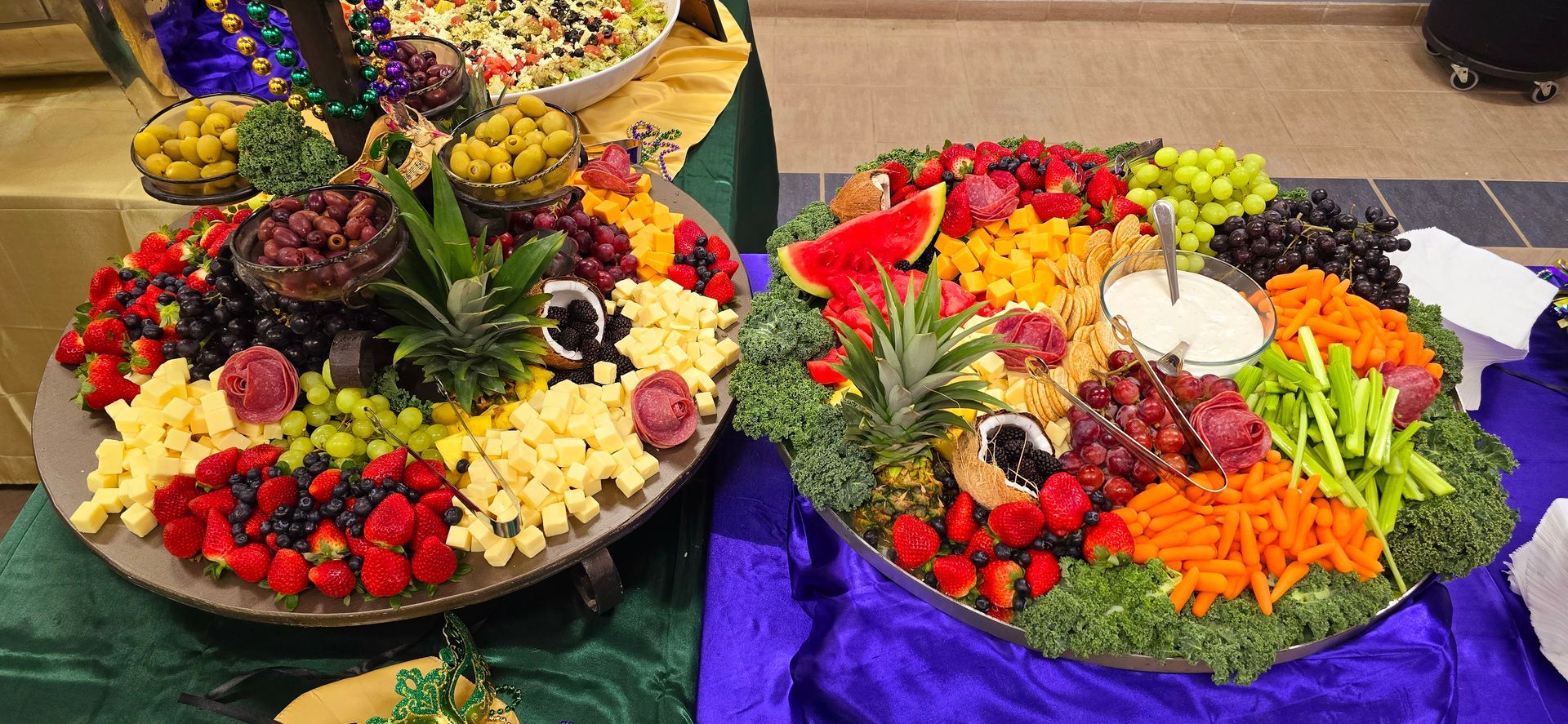
Professional caterers understand that people eat with their eyes first.
Before selecting dishes, they think about how food presentation will support the event’s visual atmosphere.
This includes considering:
- Display styling.
- Serving vessel selection.
- Table layout.
- Color coordination.
- Decorative food elements.
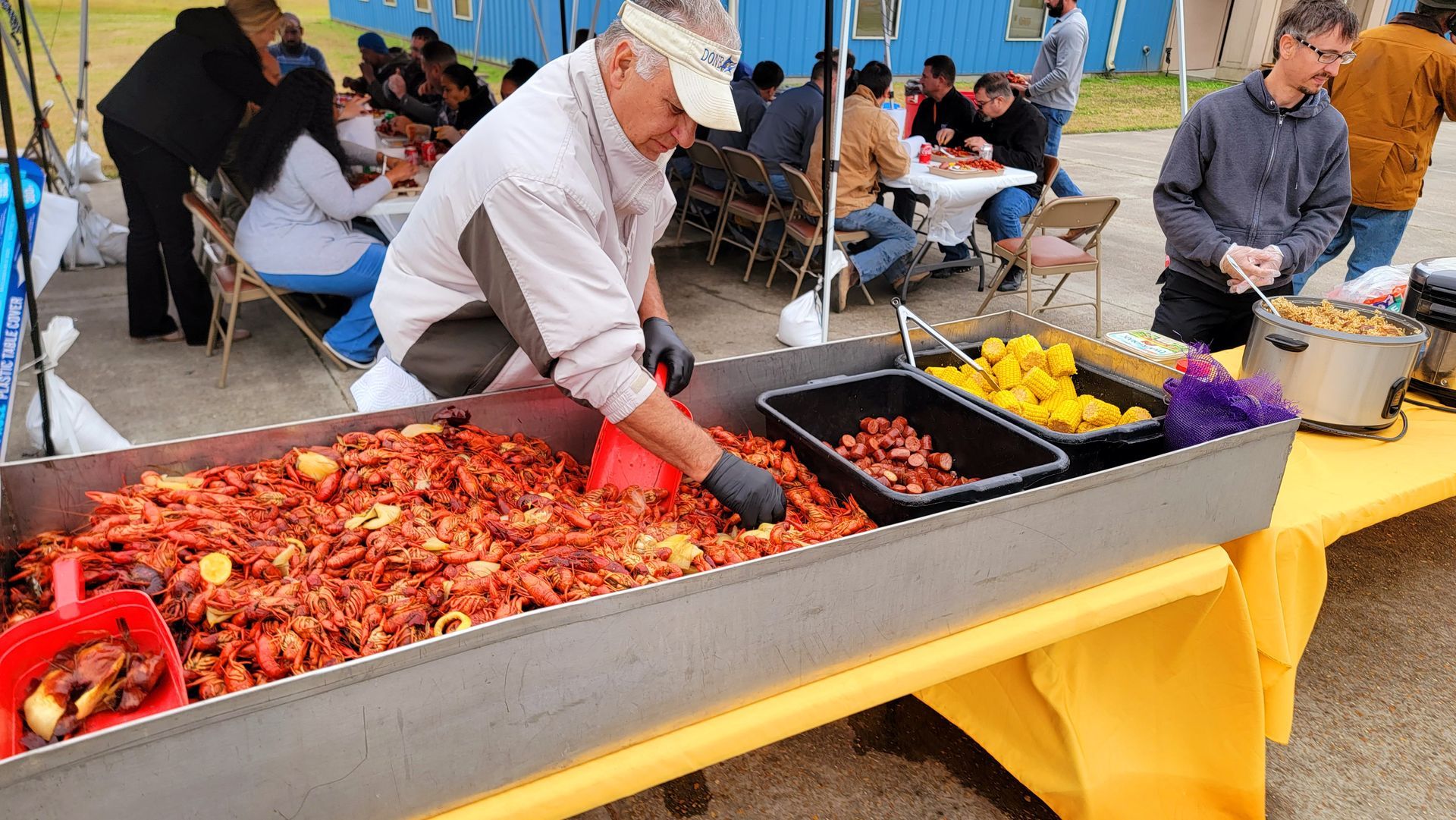
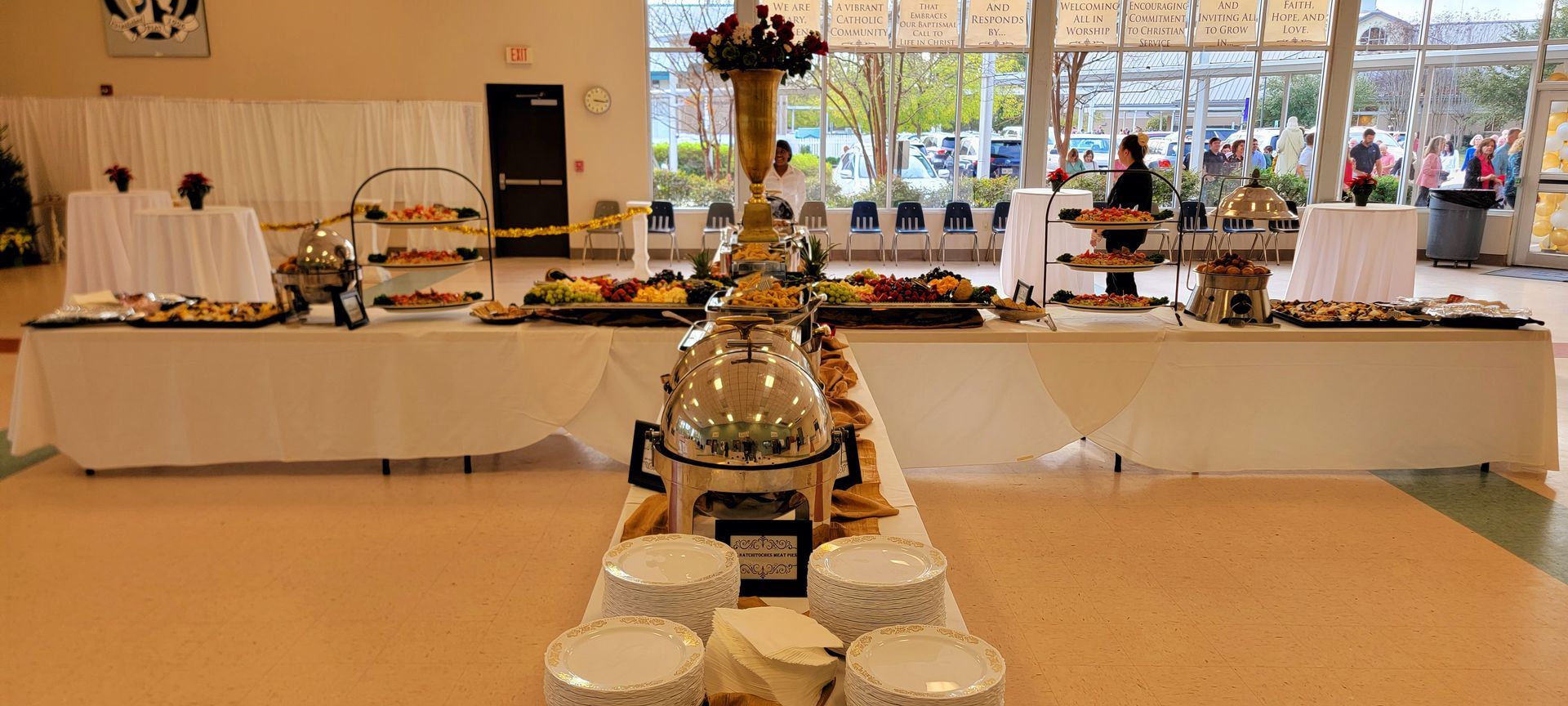
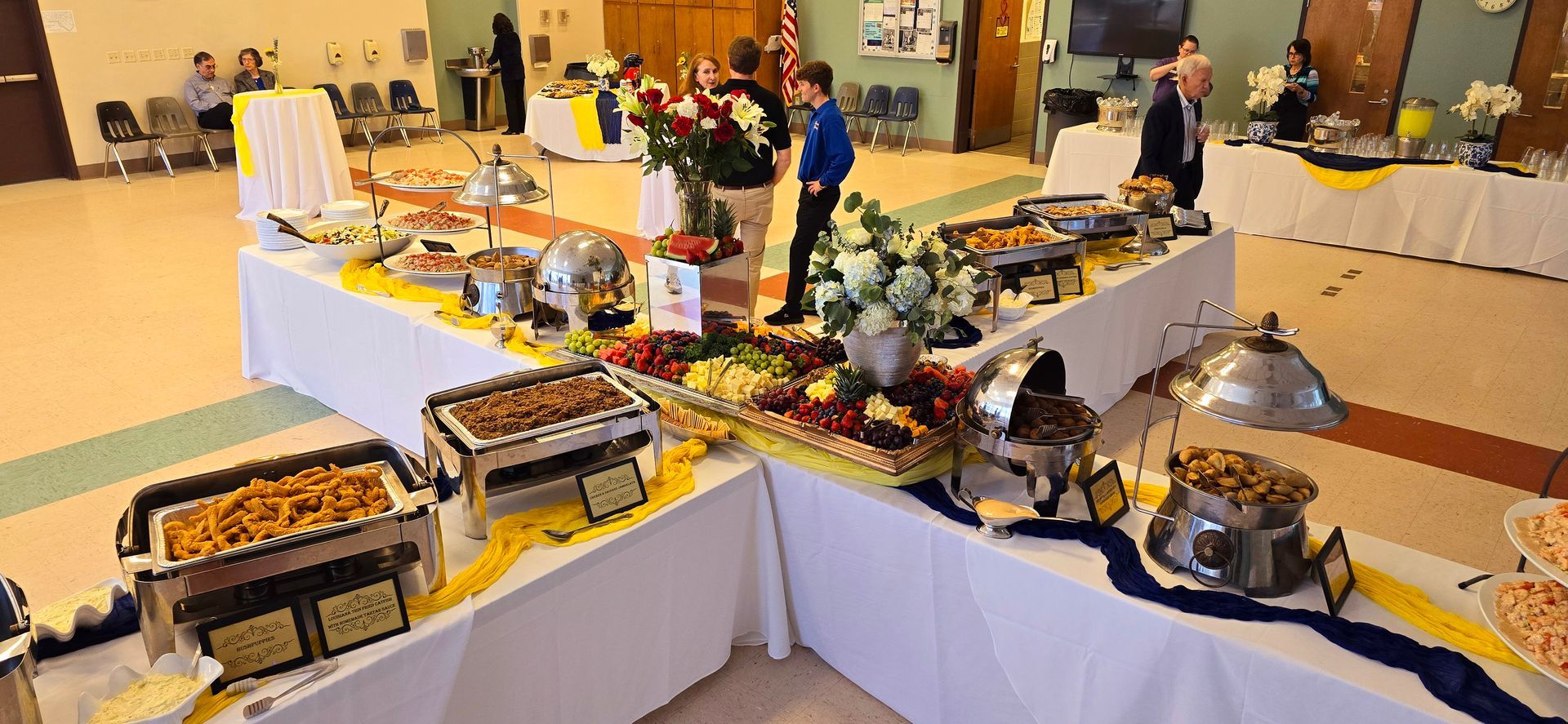
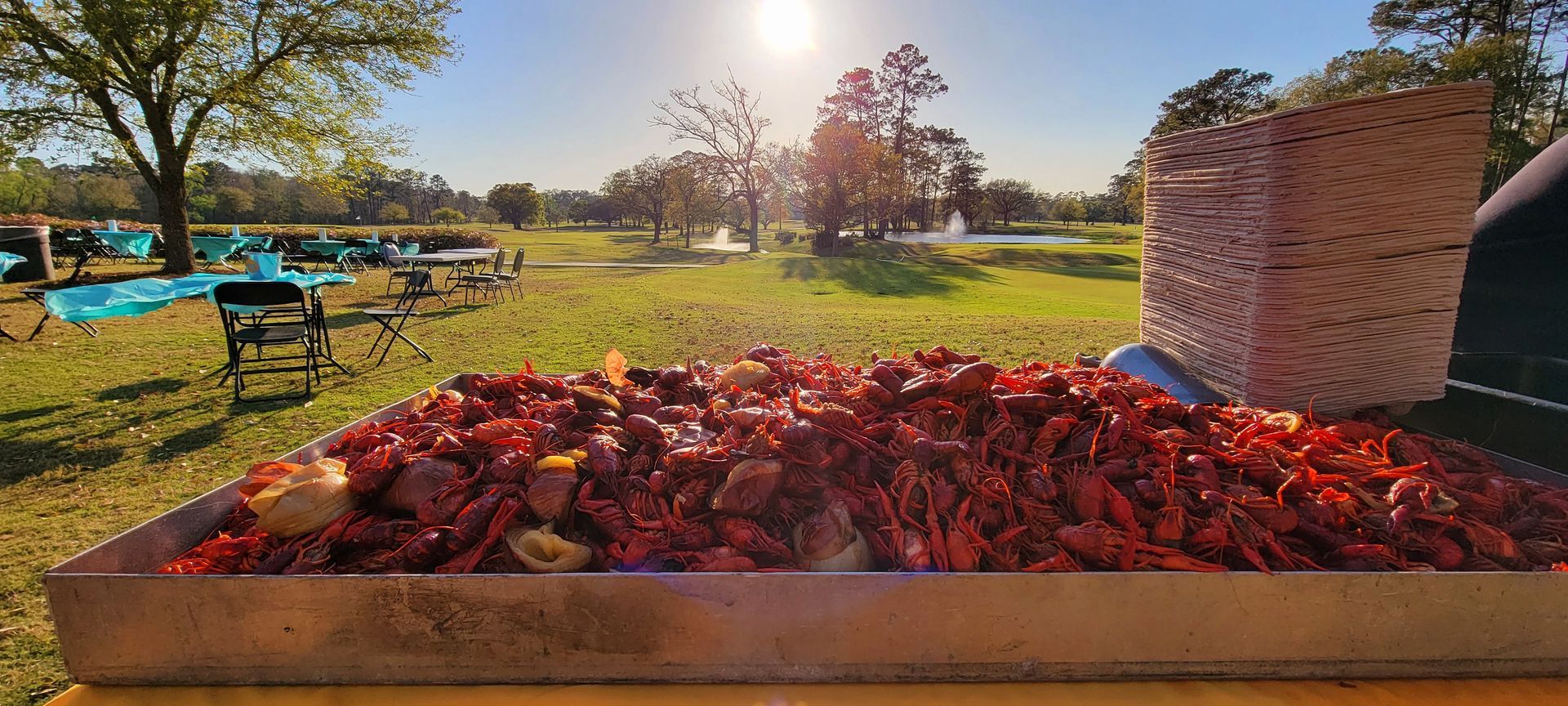
For formal events, a presentation may emphasize elegance and sophistication. For casual gatherings, it may focus on warmth, accessibility, and abundance.
Bringing Every Detail Together
By the time menu planning officially begins, professional caterers have already built a complete operational blueprint. They understand the event’s purpose, flow, venue limitations, guest expectations, service timing, and presentation goals. This thoughtful preparation is what transforms catering from a meal service into a carefully designed guest experience.
That is how professional caterers think before a single dish is planned. A trusted Louisiana catering company knows that exceptional events are not built through guesswork. They are built through expertise, strategy, and a deep understanding of how every moving piece works together to create something memorable.