Church Event Catering Services for Congregations and Community Events
Church events bring people together for meals, fundraisers, holiday celebrations, and community work. But feeding a group takes time, planning, and enough helping hands. Church event catering gives organizers a way to arrange food while focusing on guests and the event itself. The key is to choose a service that fits the occasion, the venue, and the people you plan to welcome.
What Types of Church Events Need Catering?
Churches host different events throughout the year, and each one has its own needs. A weekly fellowship meal may call for simple dishes, while a fundraiser or holiday gathering may need a larger menu and a clear serving plan.
Catering may suit events such as:
- Fellowship lunches and church dinners
- Easter and Christmas celebrations
- Fundraisers and charity events
- Community outreach programs
- Church conferences and group meetings
- Neighborhood gatherings and social events
Start by thinking about the purpose of your event. For example, guests at a short meeting may need a quick meal, while a community dinner gives people more time to sit, eat, and talk. This decision will help you choose the right menu and service style.
How Can Catering Help Church Volunteers?
Church volunteers often manage several jobs at once. They may welcome guests, arrange the venue, run activities, and clean up after the event. Preparing food on top of these duties can stretch the team too thin.
A caterer can handle food preparation and may offer delivery or other support, depending on the service you select. This can free volunteers to focus on the people attending rather than spending the day in the kitchen.
Before booking, decide which tasks your team can manage. You may only need prepared food delivered to the venue. For a larger event, you may want to ask about serving staff or setup help. Confirm every included service in advance so your volunteers know what they still need to do.
Planning a Menu for Different Guests
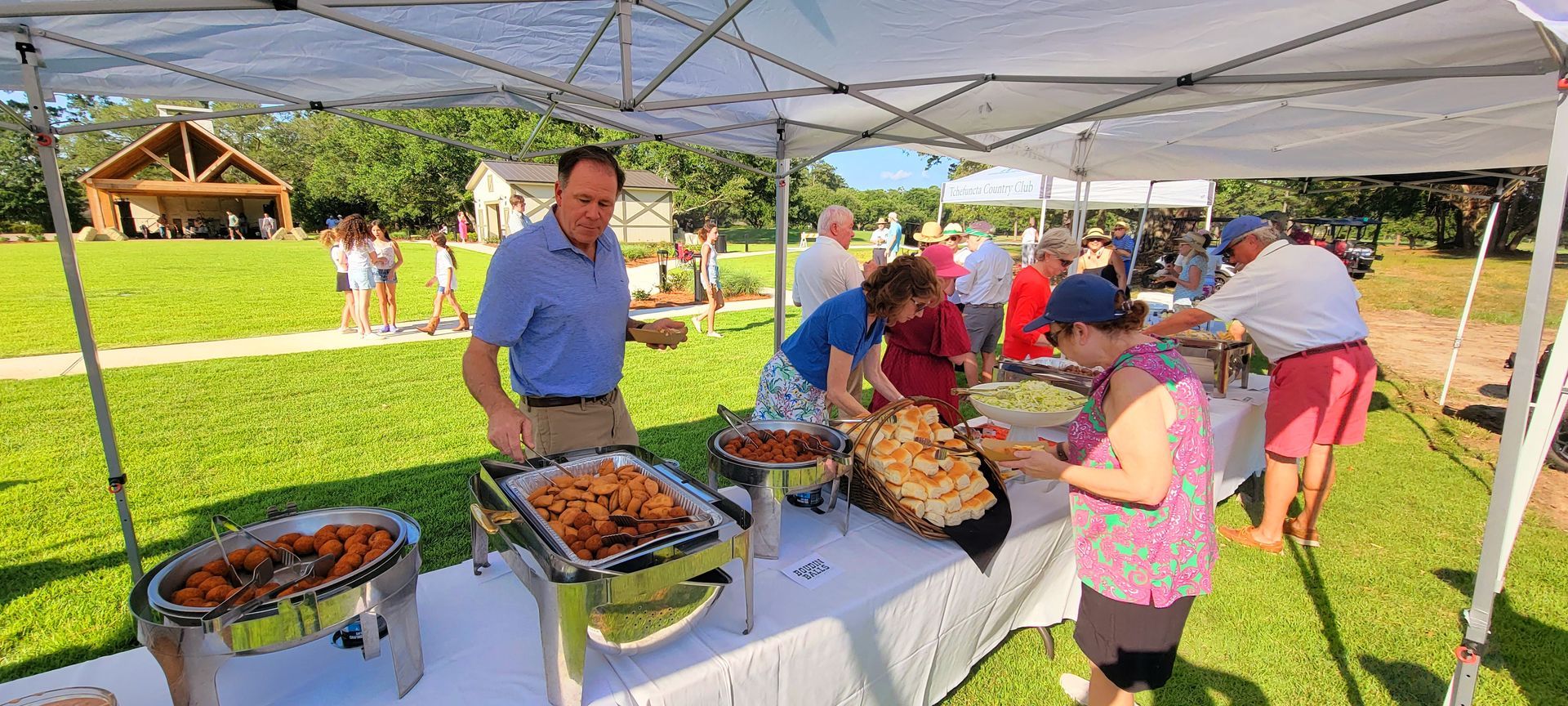
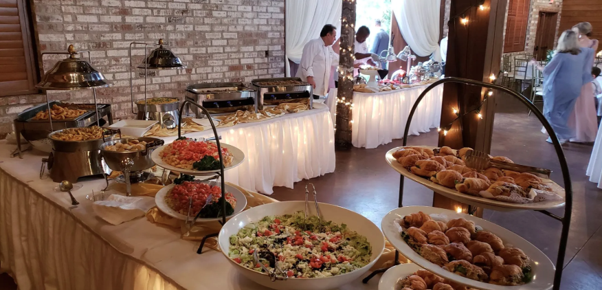
The right menu depends on your guests, the event length, and the facilities at your venue. A buffet may work well for a church dinner, while boxed meals can suit a meeting with a short break. For a social gathering, easy-to-serve dishes may help guests move around and talk.
When discussing menu choices, consider these points:
- Guest needs: Ask about food allergies and dietary restrictions early.
- Serving time: Choose dishes that fit the event schedule.
- Budget: Focus on food that offers good value for the group.
- Venue: Check whether the space has the facilities needed for serving.
- Portions: Share a realistic guest count so the caterer can plan quantities.
Share dietary needs with the caterer before you confirm the menu. Ask how the team handles food allergies and limits contact between foods. Do not assume every request can be met without checking.
Keep the menu practical, too. A large selection is not always better if it adds cost or makes serving harder. Choose food that suits the event and the people attending.
What Should You Check Before Hiring a Caterer?
Price matters, but it should not be the only factor in your decision. A useful catering quote should explain what you will receive and what you must arrange yourself.
When comparing church functions catering providers, ask for a written quote that lists the menu, estimated portions, delivery fees, and any other agreed services. Check whether the company can handle your expected guest count and reach your venue on time.
Also, ask about the provider’s experience with events of a similar size. Customer reviews can offer clues about food quality, punctuality, and communication. Look for specific details rather than relying only on short praise.
Before you commit, confirm:
- Availability for your event date
- Menu choices and possible changes
- Payment and cancellation terms
- The deadline for final guest numbers
- Any extra charges not included in the quote
Clear answers help you compare providers fairly and reduce the chance of last-minute confusion.
Choosing Between Drop-Off and Full-Service Catering
Drop-off and full-service catering serve different needs. With drop-off catering, the company delivers the food, and your team handles the remaining tasks that the arrangement does not cover. This can suit a small gathering with enough volunteers to manage serving.
Full-service catering may suit a large dinner or special celebration where you want more help during the meal. However, service packages vary. Ask whether staff, setup, serving supplies, and cleanup are included rather than assuming they come with the package.
Think about the work your volunteers can realistically take on. If they already have important roles during the event, extra catering support may be worth considering. If the meal is simple and the team has enough help, drop-off service may be all you need.
How Can You Keep Church Catering Within Budget?
Set a spending limit before choosing the menu. Then share your expected guest count and budget with the caterer. This gives the company a clearer picture of what may work for your event.
Compare the total cost, not just the price per person. Delivery, staff, serving supplies, and other services may affect the final bill. Ask about these costs early so you can plan without guesswork.
You can also keep spending under control by confirming attendance before the final order. An accurate guest count helps the caterer plan suitable portions and reduces the risk of ordering far too much or too little food.
Confirming the Details Before Event Day
Once you book a caterer, keep the main details in one written plan. Include the event date, venue address, delivery time, final guest count, menu, and agreed services.
Tell the caterer about venue rules that may affect delivery or setup. For example, the venue may have a limited access window or a designated place for food service. Share any changes as soon as possible, and ask who your team should contact if a problem comes up.
These small steps help everyone understand their role. They also give the catering team a better chance to prepare for the event without avoidable delays.
Final Remarks
Good catering starts with a clear plan for the event, menu, budget, and service needs. Compare providers carefully, agree on responsibilities, and keep key details in writing. This approach helps church organizers make informed choices and gives volunteers more time to welcome guests and support the program.
When you need church event catering, choose a provider that can discuss your plans and explain its options clearly. Bonanno's Fine Catering serves events in and around Baton Rouge and Mandeville. Contact the team to discuss your gathering, expected guest count, menu preferences, and service needs before deciding on a suitable arrangement.
Frequently Asked Questions
1. What types of church events can catering services support?
Catering can support fellowship dinners, holiday celebrations, fundraisers, community outreach programs, church meetings, and other congregational gatherings.
2. How far in advance should a church book catering?
Book as early as possible, especially for large gatherings or holidays. Confirm availability directly with your chosen catering provider.
3. How can churches choose a suitable catering menu?
Consider guest numbers, dietary needs, event timing, venue facilities, and budget before selecting dishes and confirming the final menu.
4. What should a church catering quote include?
Request an itemized quote covering menu choices, portions, delivery fees, agreed services, additional charges, payment terms, and cancellation policies.
5. Is drop-off catering suitable for church gatherings?
Drop-off catering can suit gatherings with enough volunteers to manage food service. Confirm delivery arrangements and included supplies before booking.